Source Scar Gel for Body Care, Skin Treatment, and Scar Removal
Find 30 scar gel products from verified suppliers in China. Compare silicone gel options for body care, skin treatment, and surgical scar removal with varying sizes and OEM services.
Key considerations
Products List




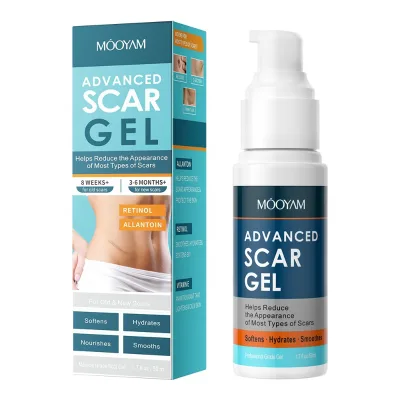


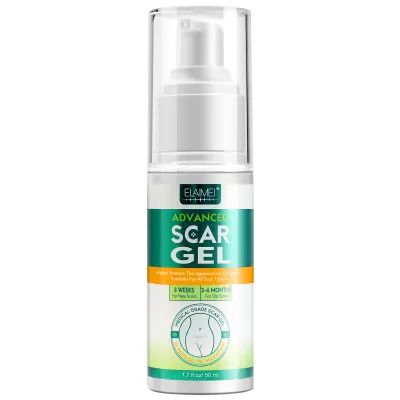


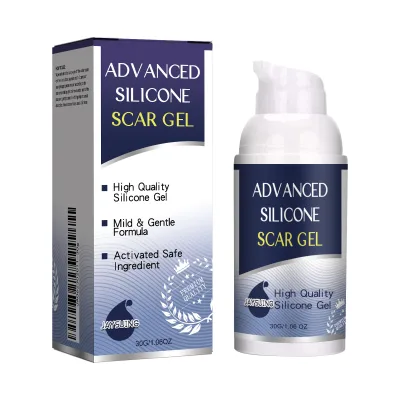
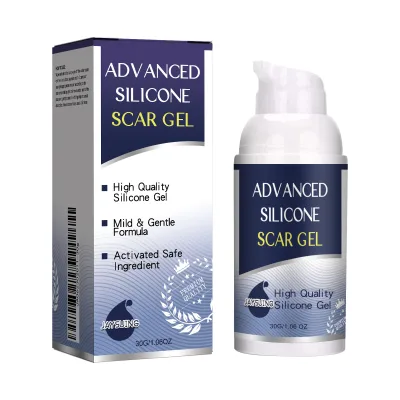


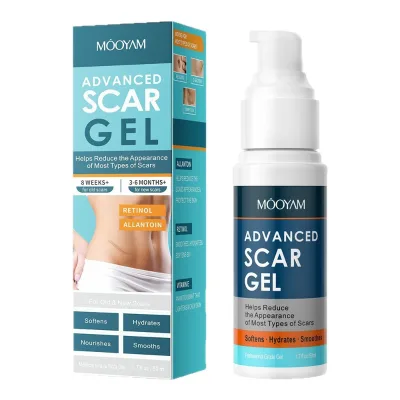
Comprehensive Sourcing Guide
Strategic Sourcing Guide for Silicone Scar Gel Procurement
The global market for wound care and dermatological solutions has seen a significant surge in demand for non-invasive scar management products. Among these, silicone gel stands out as a gold-standard treatment for hypertrophic scars and keloids. For B2B procurement professionals, navigating this category requires a disciplined approach that distinguishes between verified product attributes and marketing generalizations. This guide synthesizes available market data to provide a framework for sourcing silicone scar gel, focusing on technical specifications, compliance verification, cost structures, and supplier evaluation criteria. The objective is to equip buyers with the knowledge to make evidence-based decisions without relying on unverified claims or specific supplier recommendations.
Technical Specifications and Product Attributes
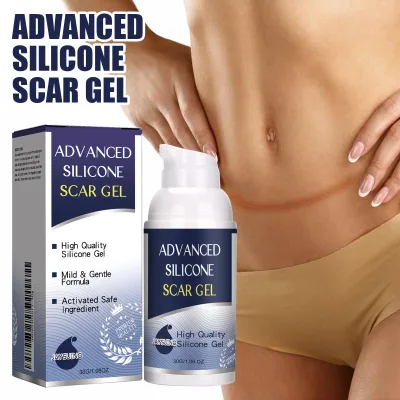
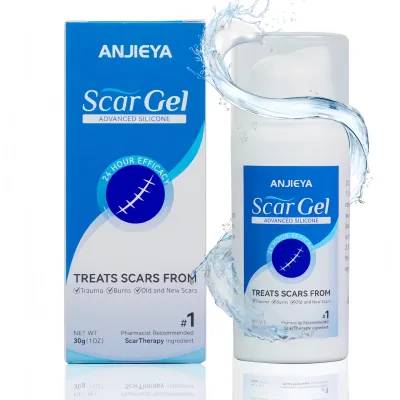
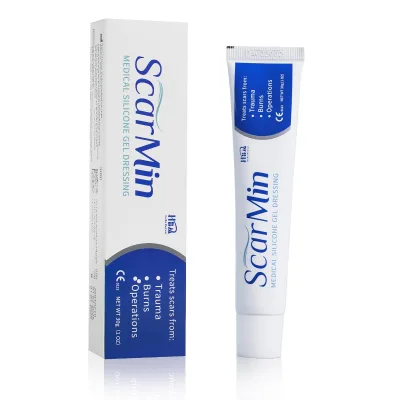
Understanding the precise technical composition of silicone scar gel is the first step in any procurement strategy. The core material is consistently identified as silicone, which forms a protective barrier over the healing skin to regulate hydration and reduce collagen overproduction. In the current market, products are available in various forms, including gels and sheets, though the gel format offers distinct advantages for application on irregular body surfaces.
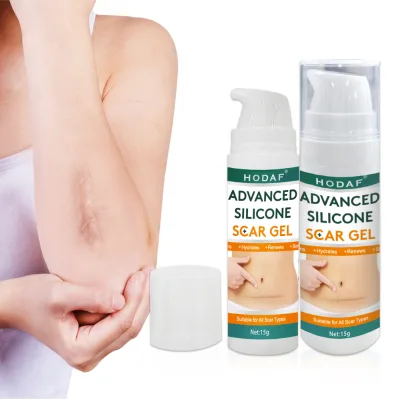
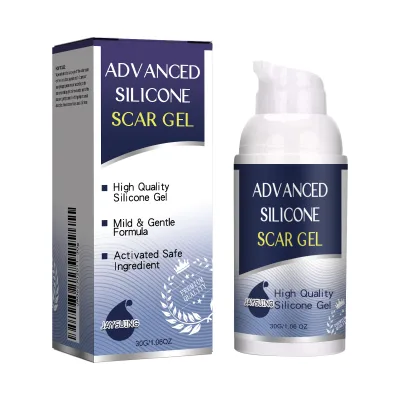
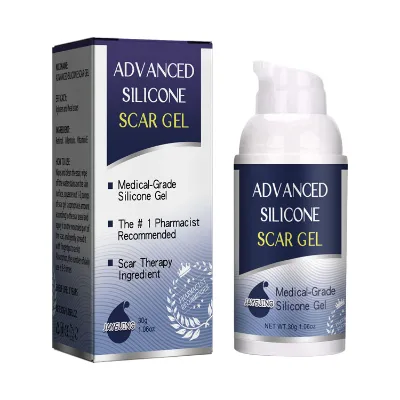
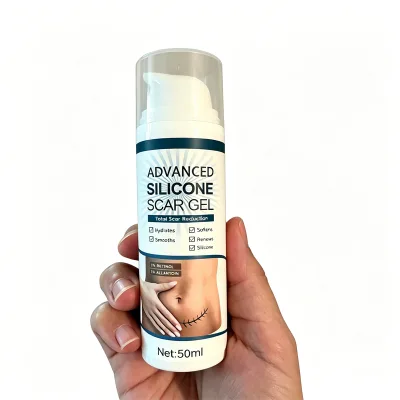
When evaluating product listings, buyers must scrutinize the specific physical attributes provided. Common observations in the market include a transparent or translucent appearance, which is critical for user compliance as the product should be invisible under clothing. The physical dimensions of the packaging vary significantly; for instance, single-unit sizes have been observed ranging from 15g to 50ml. The packaging itself is typically designed as a single item per box, often housed within a larger carton for bulk shipping. One specific observation notes a single package size of 8x12x0.2 cm, while another lists a gross weight of 0.100 kg per unit. These variations directly impact logistics planning and shelf-space allocation.
Furthermore, the chemical stability of the product is a key technical consideration. The shelf life for these products is generally cited as two years, a standard that buyers should verify against batch-specific documentation. The product type is consistently classified as a gel, designed for home use or professional application on the body. It is important to note that while some listings mention "Sunscreen" as a usage attribute, the primary function remains scar removal and reduction. Procurement teams must ensure that the specific SKU they select aligns with the intended clinical or consumer application, as the formulation for body care may differ from specialized surgical supplies.
Compliance, Certification, and Sterilization Standards
In the medical and personal care sectors, regulatory compliance is not merely a formality but a prerequisite for market access. Buyers must approach certification claims with a high degree of skepticism unless supported by verifiable documentation. While certain background data references standards such as CE marking and ISO 13485:2016, these should be treated as potential benchmarks rather than guaranteed attributes of every listed product. The presence of a certification mark does not automatically imply that a specific batch meets the standard; it requires active verification with the supplier.
A critical aspect of compliance for scar gels is the sterilization status. Some product data explicitly states that the items are "Without Ethylene Oxide Sterilization." This distinction is vital for buyers targeting surgical supply chains, where sterile environments are mandatory. If the procurement goal involves post-operative wound care, the absence of sterilization may render the product unsuitable for direct surgical application, limiting its use to home care or secondary wound management. Buyers must clarify whether the product is intended for sterile surgical environments or general dermatological use.
Additionally, the origin of the product plays a role in regulatory acceptance. Production locations such as Hebei and Henan in China are common hubs for this category. However, the specific "Place of Origin" listed on a product page may vary between the manufacturing facility and the brand's registered office. Procurement teams should request the actual manufacturing address to verify local regulatory compliance and to ensure that the export documentation aligns with the destination country's import requirements.
Cost Drivers and Pricing Structures
The pricing of silicone scar gel is influenced by a complex interplay of factors, including packaging size, customization levels, and order volume. The observed price range in the market spans from $0.15 to $12.00 USD. This wide variance is not indicative of quality differences alone but reflects the diversity in unit sizes and packaging configurations. A 15g tube will naturally carry a lower unit price than a 50ml bottle, and the cost per milliliter is a more accurate metric for comparison than the total package price.
Minimum Order Quantity (MOQ) is another significant cost driver. The market exhibits a broad MOQ range, from as low as 1 unit to as high as 20,000 units. For small businesses or startups, suppliers offering low MOQs (e.g., 5 boxes) are essential for testing the market with minimal capital risk. Conversely, large retailers or distributors often require bulk purchasing to achieve economies of scale. The relationship between price and volume is typically non-linear; while larger orders reduce the per-unit cost, they increase the total capital outlay and storage requirements.
Customization services, such as OEM (Original Equipment Manufacturer) and ODM (Original Design Manufacturer) options, also impact the final cost. Suppliers that offer private labeling and logo printing services usually charge a premium or require a higher MOQ to cover the setup costs for custom packaging. Buyers must weigh the marketing value of a branded product against the increased procurement costs. Payment terms, such as PayPal or Bank Transfer, also influence the financial planning of the procurement cycle, as they may affect cash flow timing and transaction fees.
Typical Applications and Usage Scenarios
Silicone scar gel is versatile, finding applications across both medical and consumer sectors. The primary application is for body care, specifically targeting scars resulting from surgery, trauma, or burns. The product is designed to be applied to the skin to reduce the appearance of scars, a function often described as "scar removal" or "scar reduction" in product listings. The target demographic is primarily adults, as indicated by product group classifications.
The usage scenarios can be categorized into professional and home settings. In a professional context, the gel may be used in dermatology clinics or post-surgical recovery centers. In these settings, the product is often part of a broader wound care protocol. For home use, the product is marketed as a self-care solution, requiring minimal application expertise. The "Home" classification in product attributes suggests that the formulation is safe for repeated daily application by non-medical personnel.
It is crucial to distinguish between the primary function and secondary attributes. While some listings mention "Sunscreen" as a usage, the core value proposition remains scar management. Buyers should ensure that the product they source is not marketed with conflicting claims that could lead to regulatory issues. The application is strictly topical, and the gel is intended to form a flexible film over the scar tissue. The transparency of the gel is a functional requirement for this application, ensuring that the product does not interfere with the aesthetic appearance of the skin during the healing process.
Supplier Evaluation and Verification
Selecting the right supplier is perhaps the most critical decision in the procurement process. Buyers should evaluate suppliers based on their ability to provide consistent quality, reliable lead times, and flexible customization options. The observed production capacity of 100,000 sheets per day suggests that some suppliers have significant manufacturing capabilities, which can be advantageous for large-scale orders. However, capacity does not guarantee quality; it is essential to verify the supplier's quality management systems.
When evaluating a supplier, buyers should request detailed product data sheets that confirm the material composition, shelf life, and packaging specifications. The "Service" attribute often listed as "OEM ODM Private Label" indicates that the supplier is capable of customizing the product. However, buyers must verify the minimum requirements for these services, as they often come with higher MOQs. The "Customization: Available" attribute should be treated as a potential feature rather than a standard offering for all SKUs.
Lead time is another critical factor in supplier evaluation. The observed delivery time ranges from 7 to 15 days, which is relatively short but can vary based on order volume and customization needs. Buyers should establish clear expectations regarding production and shipping timelines to avoid supply chain disruptions. Additionally, the "Packing" specifications, such as "Carton" or "Color Box," should be verified to ensure they meet the destination market's packaging requirements.
Quality Control and Long-Term Procurement Considerations
Maintaining product quality over the long term requires a robust quality control (QC) framework. Buyers should implement a system of incoming inspections that verify the physical attributes of the product, such as color, texture, and packaging integrity. The consistency of the "transparent" color and the "gel" type should be monitored across batches to ensure that the product meets the established specifications.
Long-term procurement also involves managing the relationship with the supplier to ensure continuity of supply. This includes negotiating favorable payment terms, such as Bank Transfer or PayPal, and establishing clear communication channels for addressing any quality issues. The "Shelf Life" of two years is a key factor in inventory management; buyers must plan their stock levels to ensure that products are sold before expiration.
Finally, buyers should remain vigilant regarding regulatory changes and market trends. As the demand for scar care products grows, new standards and certifications may emerge. Staying informed about these developments will allow procurement teams to adapt their strategies and maintain a competitive edge. By focusing on verified data and avoiding unconfirmed claims, buyers can build a resilient supply chain that delivers high-quality silicone scar gel to their customers.
Comparative Analysis of Product Variants
To facilitate decision-making, it is helpful to compare the different variants of silicone scar gel available in the market. The following table summarizes the key differences observed in product listings, focusing on specifications that impact procurement decisions.
| Feature | Variant A | Variant B | Variant C |
|---|---|---|---|
| Product Name | Silicone Gel | Silicone Scar Removal Gel | Surgical Scar Silicone Gel |
| Size | 15g | 50ml | 50ml |
| Material | Silicone | Silicone | Silicone |
| Color | Transparent | Transparent | Transparent |
| MOQ | 1 Unit | 5 Boxes | 5 Boxes |
| Packaging | Carton | Color Box | Packaging Box |
| Shelf Life | 2 Years | 2 Years | 2 Years |
| Origin | Hebei, China | Henan, China | China |
| Sterilization | Without Ethylene Oxide | Without Ethylene Oxide | Without Ethylene Oxide |
| Customization | Available | Available | Available |
This comparison highlights that while the core material and function remain consistent, the packaging and unit size vary significantly. Buyers must select the variant that best aligns with their specific market needs, whether that be low-volume testing or large-scale distribution. The variation in origin locations (Hebei vs. Henan) also suggests that buyers should verify the specific manufacturing site to ensure compliance with local and international regulations.
Conclusion
Sourcing silicone scar gel requires a meticulous approach that balances technical specifications, regulatory compliance, and cost efficiency. By focusing on verified attributes such as material composition, shelf life, and packaging standards, buyers can mitigate the risks associated with unverified claims. The market offers a wide range of options, from small 15g units to larger 50ml bottles, with varying MOQs and customization capabilities. Successful procurement depends on thorough supplier evaluation, clear communication of requirements, and a commitment to quality control. As the market continues to evolve, maintaining a disciplined, evidence-based strategy will be essential for securing a reliable supply of high-quality scar management products.
FAQs
What is the primary function of silicone scar gel?
The primary function is to remove or reduce scars on the body. This gel forms a protective barrier to regulate hydration and minimize scar appearance, though it is not a surgical sterilized product.
How long is the shelf life of this silicone gel?
The shelf life is typically two years from the date of manufacture. Buyers should verify batch-specific expiration dates to ensure the product remains effective before purchase and during storage.
Can I customize the packaging with my own logo?
Yes, customization and logo printing are available for private label orders. Suppliers offer OEM and ODM services, but these options often require meeting specific minimum order quantities to cover setup costs.
What is the minimum order quantity for this product?
The minimum order quantity ranges from 1 unit to 20,000 units depending on the supplier. Some vendors accept small orders like 5 boxes, while bulk buyers may need to meet higher volume thresholds.
Is the silicone gel sterilized for surgical use?
No, the product is explicitly without ethylene oxide sterilization. It is intended for home care and general body application rather than direct use in sterile surgical environments or post-operative wound care.
Where are these scar gel products manufactured?
Products originate from manufacturing locations in Hebei and Henan, China. Buyers should verify the specific factory address to ensure compliance with local regulations and export documentation requirements.
What are the available sizes for the silicone gel?
Available sizes include 15g and 50ml options with varying package dimensions. The single package size can be as small as 8x12x0.2 cm, and the gross weight per unit is approximately 0.100 kg.